
Cocovilla Phase 1
Cocovest Estates
Cocovest is Nigeria's first structured coconut plantation platform giving individuals, cooperatives, and institutions the opportunity to own agricultural plots, enjoy long-term farm revenues, and be part of a thriving green economy.
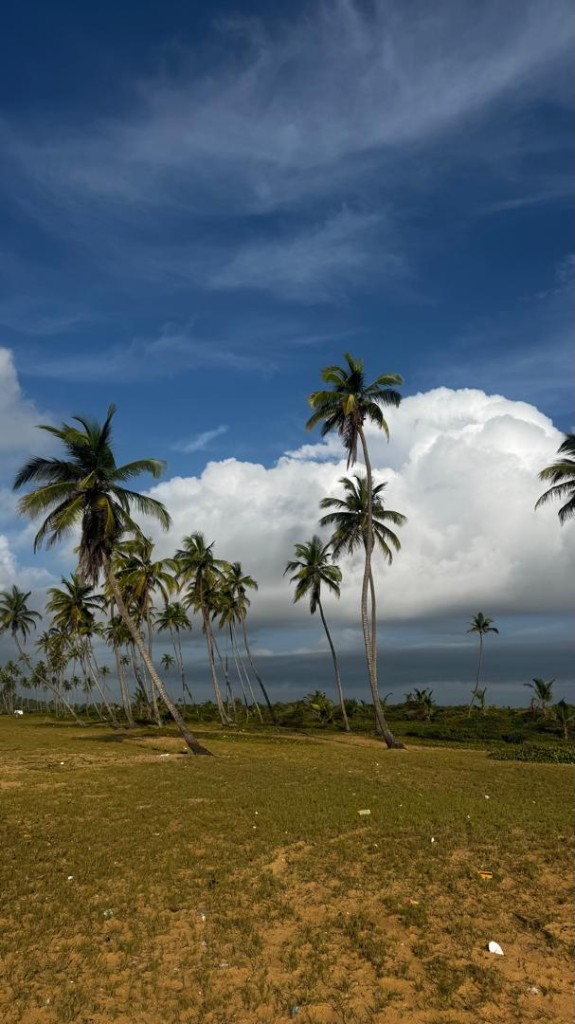
Cocovilla Phase 1
Gberefu Island, Badagry
Cocovilla is more than just land - it's a legacy asset designed to grow in value, generate long-term farm revenue, and align with Nigeria's push for agro-industrial development.
Whether you're investing for financial growth, generational wealth, or portfolio diversification, Cocovilla offers a real, tangible pathway to achieving it.
Background & Location
Coconut farming has deep roots in Lagos, especially around Badagry's coastline. It is rich in sandy-loam soil and high underground water tables that provides an ideal ecological zone for coconut cultivation and agrotourism.
Known for its trade and coconut exports, Badagry stands as both a historical site (Transatlantic Slave Trade) and a naturally rich landmass ideal for coconut farming due to its fertile soil, access to both fresh and saltwater, and year-round tropical climate.
Gberefu Island's sandy-loam soil is well-drained and rich in organic matter - ideal for coconut farming. The soil:
- Prevents waterlogging (a major risk for coconuts)
- Is naturally aerated
- Responds well to organic composting
Soil pH Range: 5.5 - 7.5 (within the acceptable range for coconuts).
Gberefu's coastal climate and soil conditions make it one of the most suitable regions in Nigeria for coconut farming.
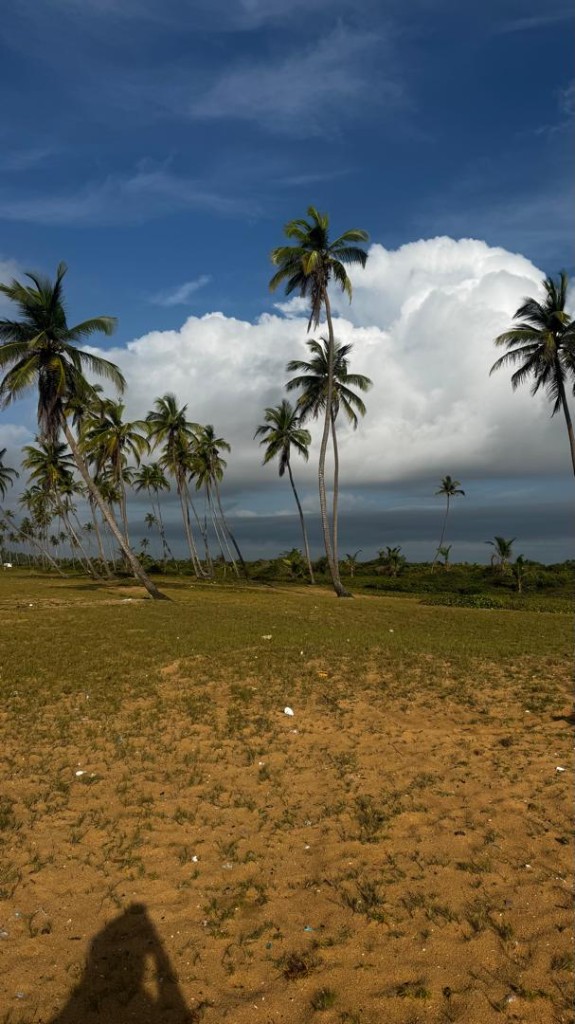
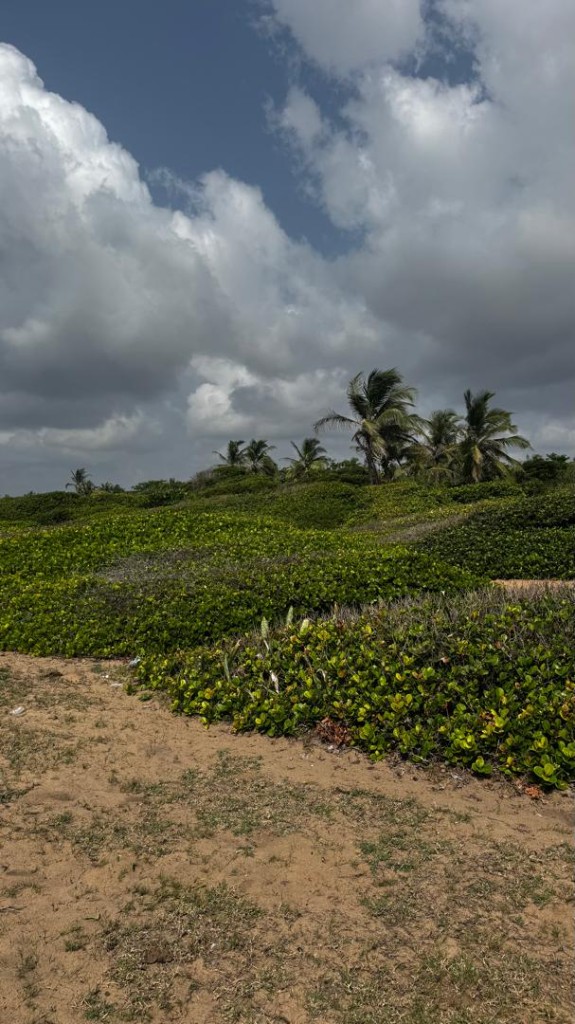
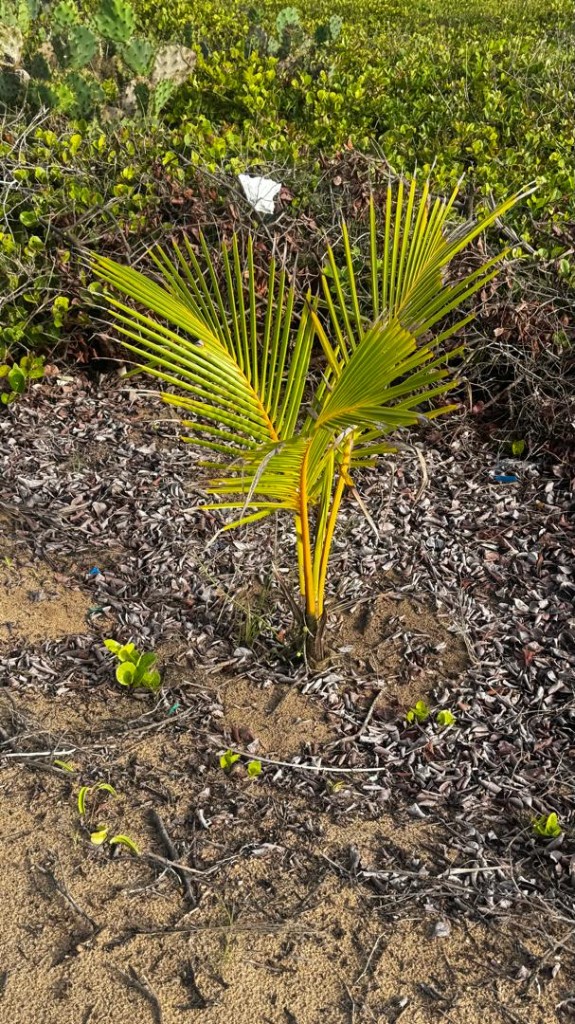
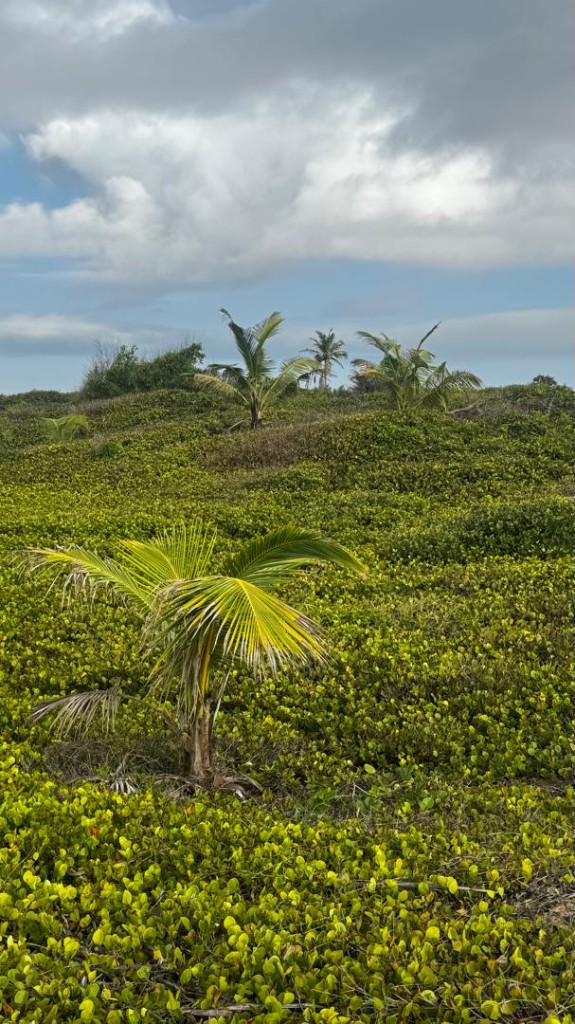
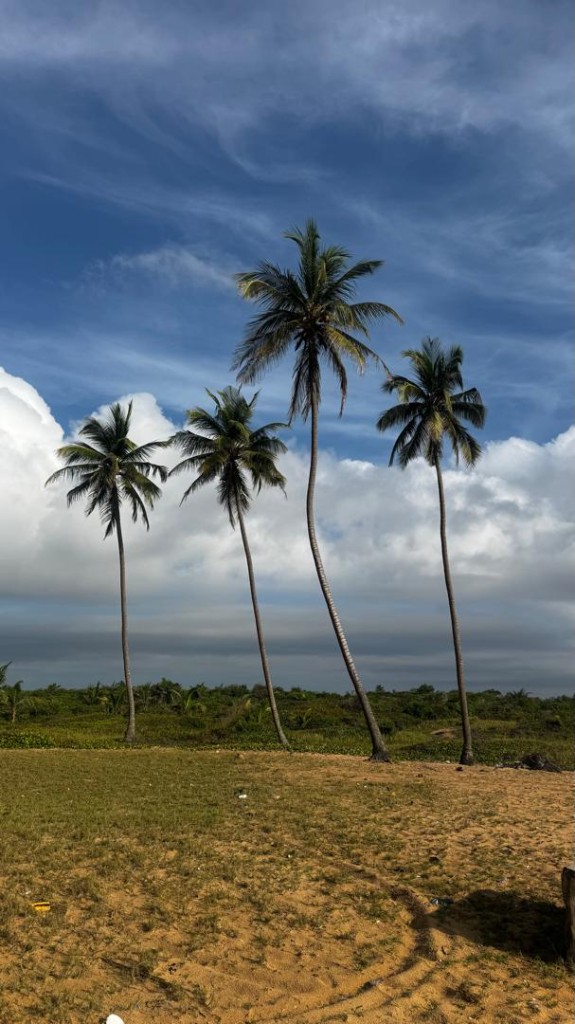
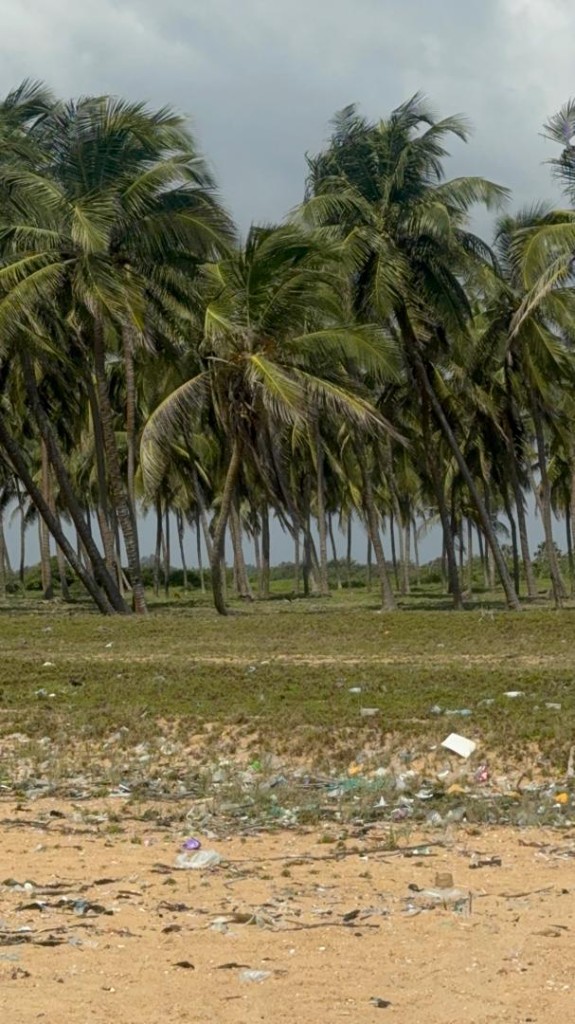
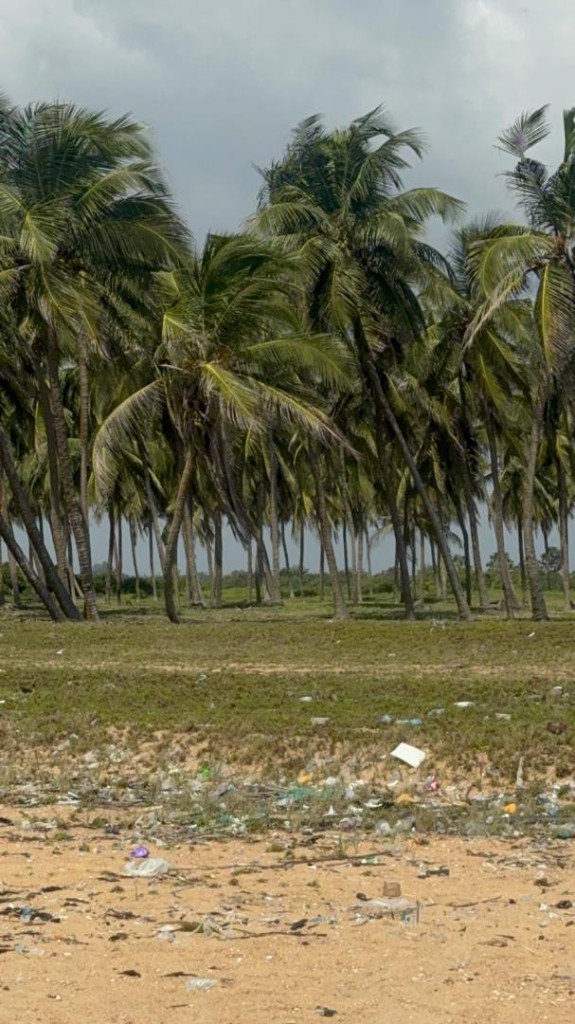
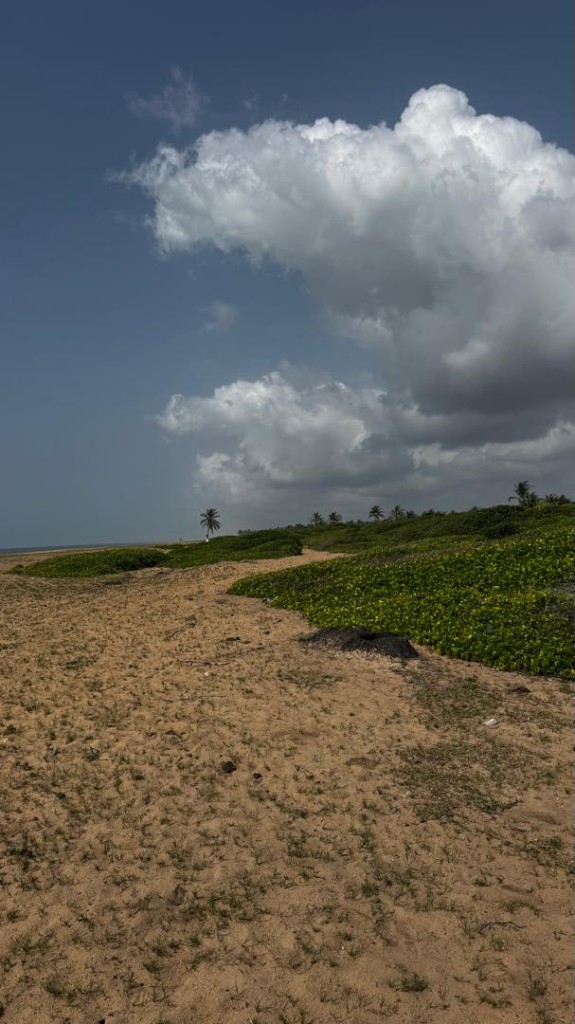
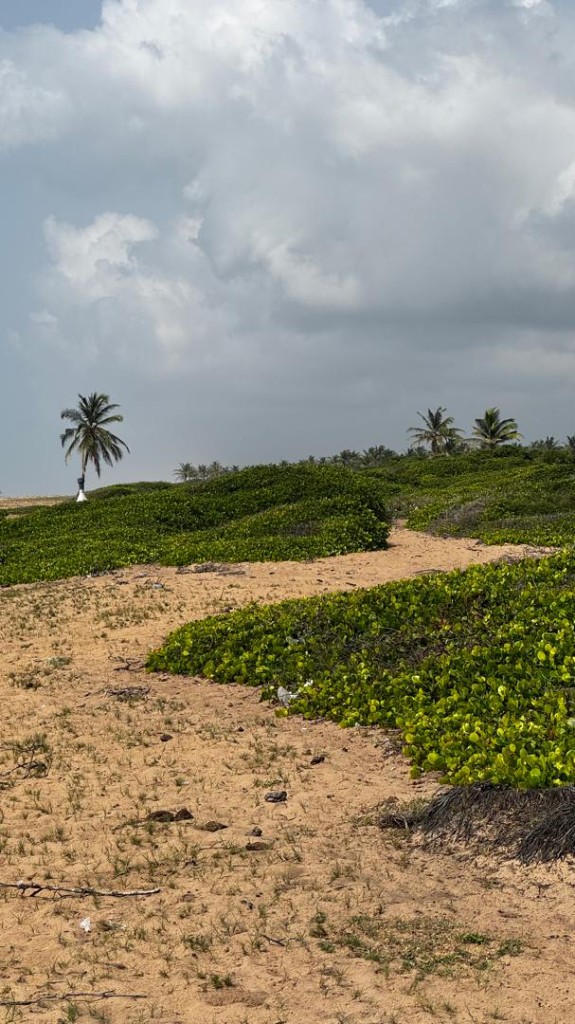
On-site gallery
Real photos from Cocovilla Phase 1 — plantation, palms, and coastal terrain at Gberefu Island.
Estate Features
Cocovilla has been designed to support efficient plantation management and long-term agricultural productivity.
Key features include:
- Structured plantation layout
- Irrigation support systems
- Internal access roads
- Plantation monitoring and management
- Long-term coconut cultivation planning
Each plantation plot contains 40 hybrid coconut trees, carefully spaced to support optimal growth and yield.
Ownership Terms & Management Policies
- Deed of Agreement + Survey provided
- No concrete/metal fencing allowed; natural materials only
- Annual service charge applies
- Plot is strictly for agricultural use
- Next-of-kin and inheritance rights honored
- Managed by Verdant Isle Limited
Harvest Strategy
Our estates use best-in-class agronomy, ensuring consistent yields and long-term sustainability.
Harvest Plan
- Fruiting: Begins from Year 3
- Harvesting: Begins from Year 4
- Frequency: Harvested triannually (3x per year)
- Yield Estimate: 60 nuts (estimated) per tree x 40 trees = 2,400 nuts (7,200 nuts annually)
ROI Projection (Per Plot)
As at December 2025, a sack of 60 coconuts was sold locally for N45,000.
120 sacks = N5,400,000
- Less Estate Maintenance (~N200,000/year)
- Net Profit: about N5,200,000 annually per plot
| Year | Activity | Estimated Annual Yield | Cost | Gross Revenue |
|---|---|---|---|---|
| 1 | Land prep, planting & irrigation | 0 nuts | N3,000,000 | N0 |
| 2-4 | Maintenance & growth | 0 nuts | N200,000/year | -N600,000 |
| 4 | First harvest | ~ 7,200 nuts | N200,000 | N5,200,000 |
| 6+ | Full production | Yield growth (5-10%) | TBD | N7,200,000+ |
Note:
- Verdant Isle Ltd manages planting, cultivation, and harvest.
- Investors can opt for:
- Raw nut sales (Verdant Isle sells and remits profit to investors)
- Self-Harvest (investor manages own yields/logistics)
- Returns can be remitted triannually or annually
- Projected income figures above are estimates based on current agricultural data and market conditions and do not constitute guaranteed financial returns.
- Land costs are not fixed and will vary across all our estates due to valuations, amenities, and market conditions.
Cocovest combines land ownership with an income-generating tree crop, making it one of the most attractive long-term investment models in Nigeria's real asset space.